

Bhandara, Chitwan — The Beekeeping Development Center in Bhandara has achieved a significant milestone in Nepal’s apiculture sector by successfully producing five instrumentally inseminated (II) queen bees of Apis mellifera this year. This accomplishment marks a notable advancement in queen breeding efforts, following a series of specialized trainings conducted in collaboration with both international and national institutions.
Previously, the center had conducted two instrumental insemination training sessions in coordination with the Industrial Entomology Development Center, Hariharbhawan. These trainings featured foreign experts from Australia and the United States who shared advanced knowledge and practical skills in bee breeding and II techniques. During the most recent training, the center had successfully produced one inseminated queen.
This year, however, under the technical leadership of the Beekeeping Development Center, Bhandara — with instrumental support from Alish Maharjan, a recipient of the II training — the center has made a significant leap, successfully producing five inseminated queens.

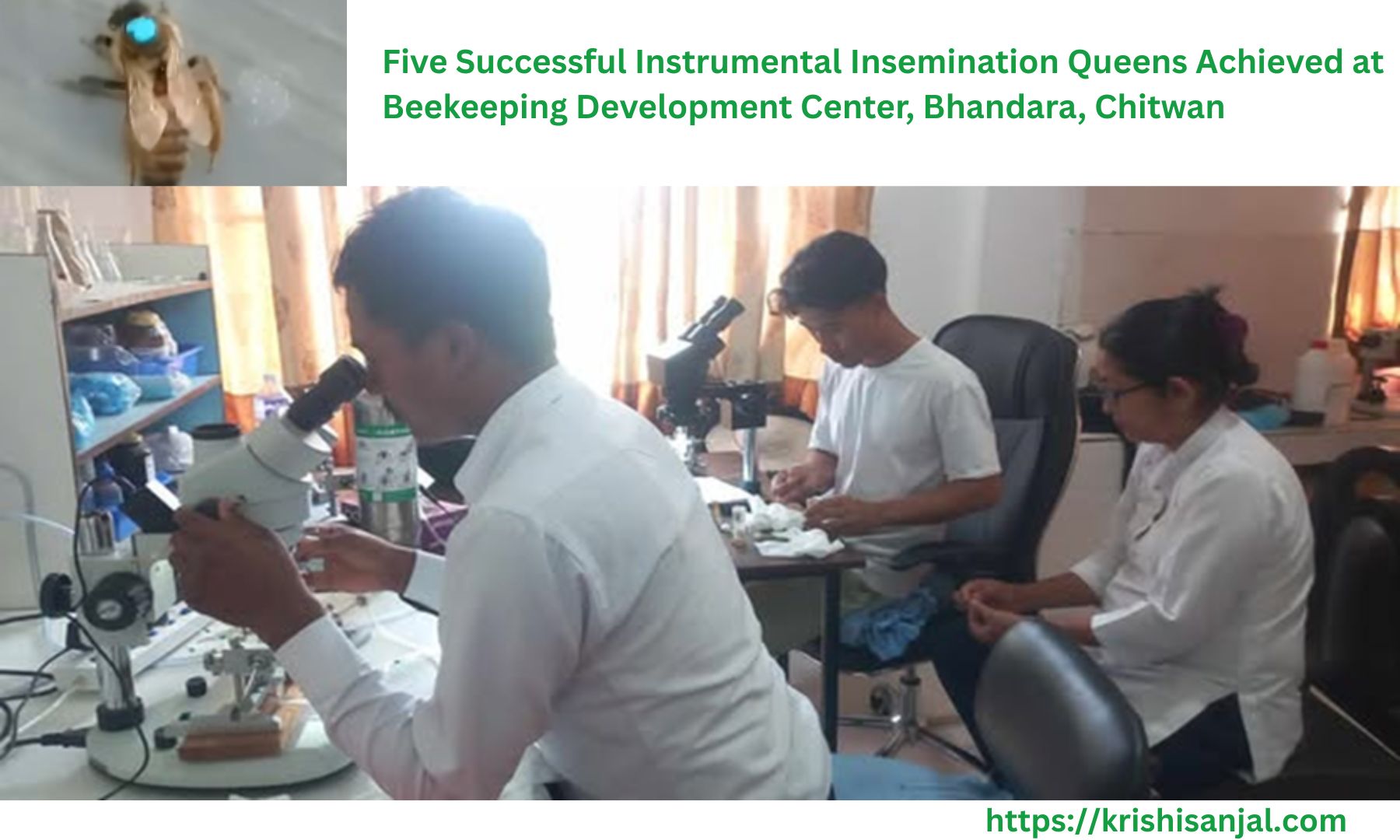
Photo: II queen, at Beekeeping Development Center, Bhandara
“We have achieved five successful II queens, which is a promising step toward improving queen quality,” said Sujan Amgai, Chief of the Beekeeping Development Center, Bhandara.
Instrumental insemination is a precise and advanced method used to breed queens with selected drone semen, ensuring desirable traits such as higher productivity, disease resistance, and calm behavior. Although the technology remains expensive for most farmers, it holds great promise for genetic improvement in Nepal’s beekeeping industry.

Photo: Technical team doing II at Beekeeping Development Center, Bhandara
According to Amgai, the eggs laid by these II queens will be used for further grafting in mass queen multiplication programs. “This will help ensure the production of quality queens in the near future,” he added.
Experts highlight that while genetic improvement is essential, it must be supported by adequate forage availability to maximize honey production and colony health.